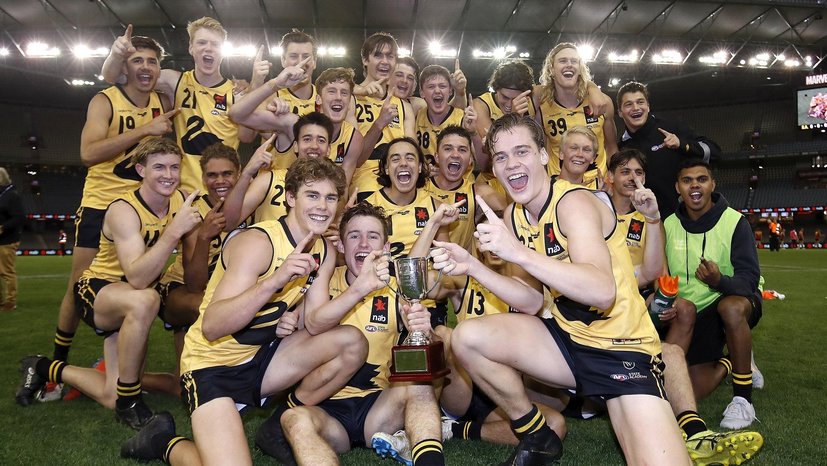
 State Talent and Draft
Where the WA-bred Dockers stars have come from
Jordan McArdle
|
22 Sep 2026
Read
more


THE WAFL website will be publishing columns from players throughout the 2013 season taking a look at what it takes on and off the field to be a successful WAFL player and also build a life outside the game. This week it’s former East Perth and current Perth defender Nick Kane.
For many young footballers between the ages of 16 and 22 their life revolves around the game. So much of their time and effort goes into football yet unfortunately one important aspect is often forgotten – injury prevention and management.
This age group is at the ideal time in their development to start working on some injury prevention strategies. Lack of early identification and education in regards to body awareness and functional control in these development years can lead to serious long-term injuries during the prime of ones career.
This is extremely frustrating for AFL clubs when they draft a player into the system with poor development in this area and unaddressed biomechanical issues only to breakdown in their first few seasons.
Furthermore this may be more of an issue for young players transitioning into WAFL ranks. Unfortunately players at WAFL level don’t have access to the same resources (physio, surgical or finances etc.) as the AFL and many players are simply lost to the system due to injury.
Thankfully many WAFL clubs are now working at implementing early screening and education at the development and colts levels to combat this problem, however there is still plenty of room for improvement.
I currently juggle playing for the Perth Demons with working as a Physiotherapist in a private practice as well as being the team physio for the Perth colts. It can be quite a challenge on my time management skills.
At Perth we train Mondays, Tuesday and Thursdays, play Saturday and have a rehab session Sunday morning. I will do one to two weight sessions per week and try and squeeze an extra swim or yoga session in where I can.
Each day starts with waking at 5.30am and I get home before 8pm just one night each week. This leaves little time to spend my girlfriend Kelly and also my mates however I am lucky that they understand my situation and aren’t too fazed.
Football at this level can be very demanding and over time can take its toll. The time commitment we put in as players is made much easier by being at a club we really enjoy spending a lot of our time.
This year, more so than previously, we have a really good vibe and feeling at the club, not just amongst the players, but also from the officials down to the volunteers. The players all work extremely hard at training however it’s important we break up the routine a bit by enjoying each other’s company with dinners, player functions and social days.
In my time as a physiotherapist and a player I have seen many players battle through long term injuries. Here are the 5 keys to injury prevention that any young player entering the system should seek out.
1) Specific Musculoskeletal Screening
a) ? To identify known causative factors to injury: For example- poor single leg squat control can predispose an athlete to groin, hip and knee injuries.
b) ? To provide a baseline for ongoing monitoring: A drop in groin power (squeeze test) by more than 20 per cent can indicate early onset of groin overload/injury.

"*" indicates required fields
WA Football acknowledges the Traditional Custodians of the many lands across Western Australia where we train, play, and come together through football. We pay our respects to Elders past and present, and extend that respect to all First Nations people. We recognise the deep and continuing contribution First Nations peoples make to our game and our communities.
"*" indicates required fields